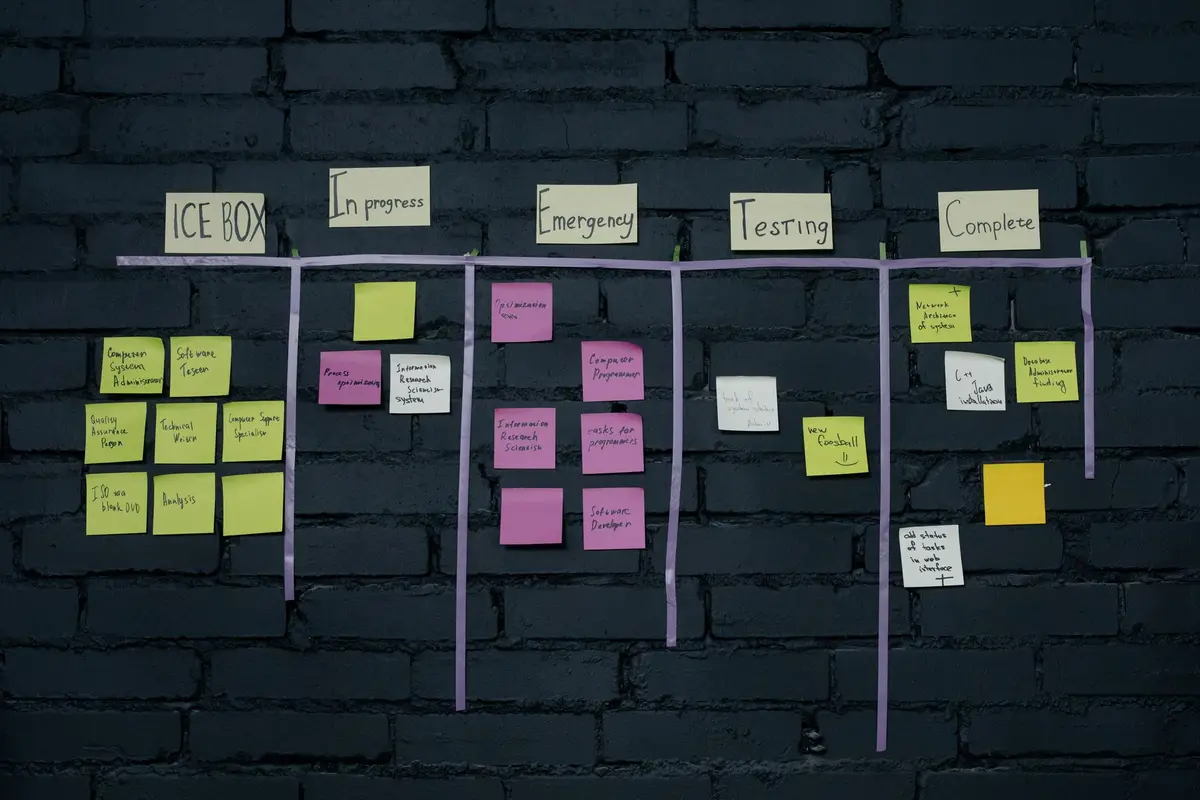
Agile in IT Services: Why Ceremonies Are Not the Problem
Many teams run every Scrum ceremony and still deliver to a fixed plan. What actually has to change for Agile to work in IT services.
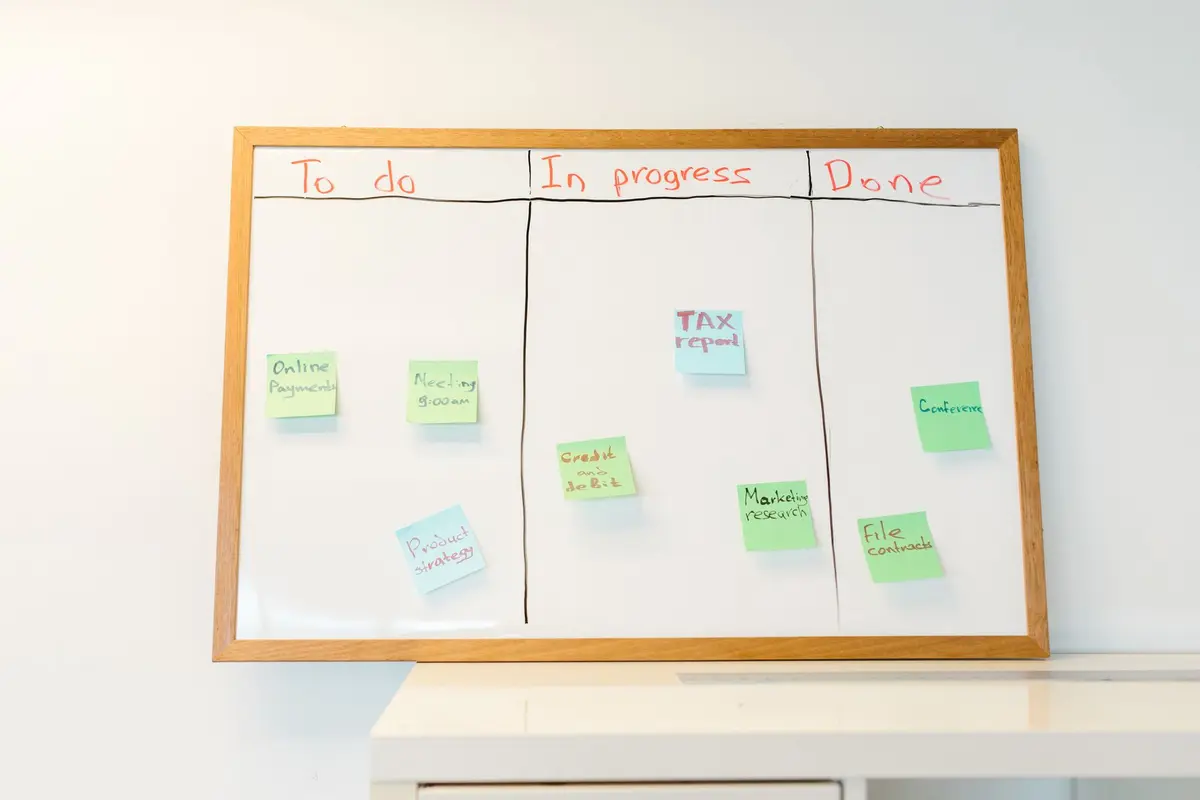
Most IT teams we train already hold stand-ups, sprint planning and retrospectives. Many still deliver to a fixed scope agreed months earlier, with the sprints acting as progress reports. Our view is that the ceremonies are rarely the problem. Agile works when the team can change what it builds based on feedback, and that depends on how work is contracted and who makes decisions.
Signs that Agile is only on the surface
- Sprint goals are copied from a project plan and never change.
- The product owner cannot decide anything without a client sign-off.
- Demos happen, but feedback goes into a change request for later.
- Velocity is reported to management as a productivity score.
The India angle: fixed-price contracts and offshore product owners
A large share of Indian IT services work is still sold as fixed-price, fixed-scope projects, with the real product owner on the client side and in another time zone. Teams in that position can still work in an Agile way, but it takes deliberate choices: a proxy product owner with real authority, a client review cadence written into the contract, and a change budget agreed upfront. Delivery managers who can propose these to a client are worth more than any number of certified Scrum Masters who cannot.
What we would train
Teams
- Scrum or Kanban fundamentals, practised on the team's own backlog.
- Slicing work so each sprint delivers something a user can try.
Scrum Masters and product owners
- Working with a client-side product owner across time zones.
- Running reviews that lead to real decisions.
Delivery managers
- Agile contract options: time and materials with caps, change budgets, phased scope.
- Scaling with SAFe or a lighter framework across several teams.
Where to start
At your next sprint review, ask the client one question: what would you change in the next sprint? If the team cannot act on the answer, that constraint is the first thing to fix. Our Certified ScrumMaster, CSPO and SAFe programmes cover the frameworks; we tailor the case work to services delivery.